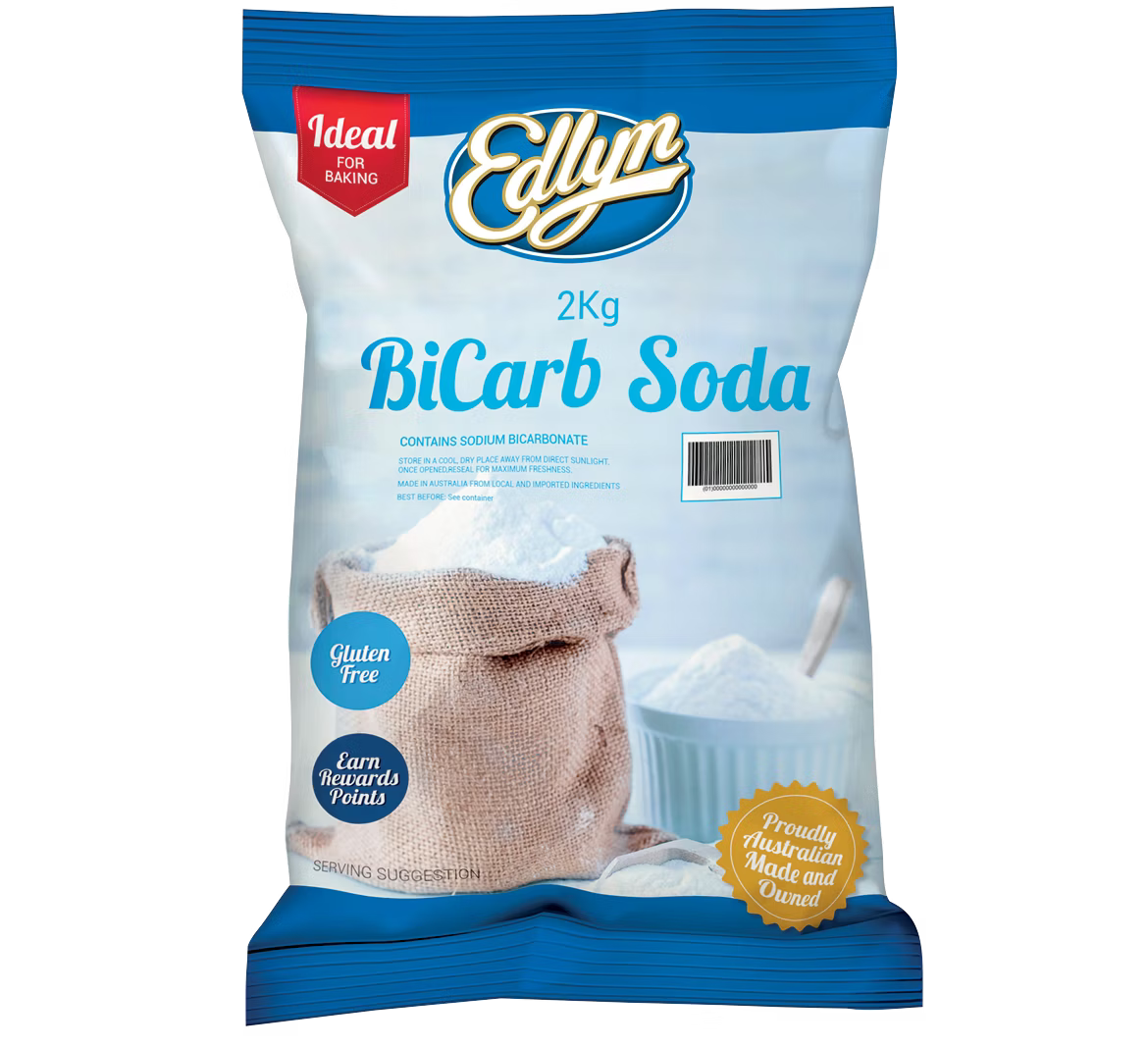
Bi-Carb Soda 2kg

$8.50 AUD
$8.50 AUD
Sale Sold out
🛒

Ordered

Today
📦

Shipped

--/--/----
↓
--/--/----
🚚

Delivered

--/--/----
↓
--/--/----

Estimated dates only. Delivery times vary by location, stock availability and courier. Shipping Information

Payment Methods

American Express Apple Pay Google Pay Mastercard PayPal Shop Pay Union Pay Visa Afterpay

We offer reliable Australia-wide delivery, with orders dispatched from our Sydney warehouse.

Shipping costs are displayed at checkout. Delivery times vary depending on your location, product availability and courier services. Additional freight charges may apply to bulky or oversized items.

View our Shipping & Delivery Policy →

We want you to be satisfied with your purchase. Eligible change-of-mind returns can be requested within 7 days of receiving your order, subject to our returns policy.

Some products are excluded from change-of-mind returns, and restocking fees may apply. If your order arrives damaged, faulty or incorrect, please contact our team for assistance.

View our Returns & Refunds Policy →

View full details
Baking Supplies / The baker’s working notes

Bi-Carb Soda 2kg

Select the ingredient by its role in the recipe, then test it in the finished bake or dessert. The range includes premixes, setting agents, fillings and pantry staples; each needs its own preparation standard. For Australian buyers looking for baking powder, this guide focuses on Bi-Carb Soda 2kg and how to assess it in a real kitchen or service setup.

Product rolebaking raising agent
Listed choiceSingle listed format (2kg)
Useful forcakes, scones or a tested batter
Selected product

Understand the role before ordering

What this product does

Bi-Carb Soda 2kg is baking raising agent. Use the specified raising agent according to a complete recipe and its current pack. Bi-carb soda and baking powder serve related but distinct formulation roles; do not substitute them at the same dose without a tested recipe.

Test the real result

Bake a small controlled batch with the intended flour, liquids and oven. Compare volume, crumb and flavour after cooling instead of judging the dry powder alone.

Plan repeatable handling

Use a dry accurate measure and seal the bulk pack. Record the product name and recipe so staff do not confuse two white powders or duplicate an ingredient.

Baking Supplies guide

Make it work in your operation

Start with the correct recipe

Bi-Carb Soda 2kg is baking raising agent. The Baking Supplies range includes ready-to-eat portions, ingredients, premixes and prepared fillings; they do not share one preparation method. Write the exact pack and selected option at the top of the production sheet. If the manufacturer changes its directions, trial the new pack before assuming the old water amount, oven time, setting period or yield still works.

Test the full item

Use a modest batch for cakes, scones or a tested batter. Inspect the finished item in the vessel or packaging customers will receive, including any icing, binder, garnish or base. Taste or assess it after a normal wait, not only when first mixed. This separates the contribution of baking raising agent from the effect of the rest of the recipe and helps the team decide whether the item is ready for sale.

Choose a realistic batch size

Calculate a working batch from measured use and the selected format. Record the amount of Bi-Carb Soda 2kg used, other ingredients, portions made, labour and normal waste. Bulk buying makes sense when a recipe has proven demand, adequate storage and a staff method that can be repeated. For a new flavour, a smaller trial can prevent an expensive case of unused stock.

Make the menu match the kitchen

The customer sees a cake, pastry, jelly or prepared food, not an ingredient list. Describe the finished item in plain language and show an achievable portion. Review the current label and every other component before promising a nutritional, allergen or certification claim. The same named ingredient can perform differently in a chilled cup and in a baked product, so photograph the actual service result.

Closer look

Details that change the outcome

A small dose can change the whole batch

Raising and setting ingredients are functional, so a little too much or too little can alter texture even when the flavour seems unchanged. Weigh Bi-Carb Soda 2kg and keep the rest of a test recipe constant. Check the finished result only after the proper bake, set or cooking step. Another white powder with a similar pack size is not automatically an equivalent substitute.

Record the full process

Write down hydration, mixing or oven steps from the current recipe and pack, including the order in which ingredients are added. Assess the prepared item after cooling or holding, then scale only a successful version. Keep allergens and contact controls visible to staff: a completed dessert or sauce can include ingredients that are absent from the functional powder itself.

A recipe with a purpose

For Bi-Carb Soda 2kg, identify whether the customer values a particular texture, flavour, appearance or preparation speed. A useful test answers that specific question with the current pack. Keep a plain reference sample and one controlled variation, then select the version that performs in real production. This approach helps a bakery avoid adding ingredients that complicate the menu without improving the item.

Scaling with confidence

Once the small recipe is approved, run a service-sized batch under ordinary staff conditions. Recalculate ingredients by weight, check the actual oven or chilled capacity and compare the result with the first trial. Record both the finished portion count and normal waste. If the flavour, pack or equipment changes, repeat a short trial before offering the item as though it were identical.

Buying and service decisions

From first sample to a reliable order

What the selected pack supplies

This listing is for baking raising agent, specifically Bi-Carb Soda 2kg. The available format is Single listed format (2kg). Compare the title, selected option and delivered image with the actual pack before writing a recipe or buying a larger quantity. Some nearby products have similar branding but a different function, size or preparation method. This description concerns the selected item, not every product in Baking Supplies.

Design a first controlled test

Use Bi-Carb Soda 2kg in a small, controlled version of cakes, scones or a tested batter. Follow its own pack if mixing or heating is required. When the item is ready to use, trial the supplied format in the actual serving rather than inventing a preparation step. Record flavour, texture and appearance at the point of service.

Compare the result fairly

Keep the base food, vessel, equipment and service interval the same when comparing two amounts or methods for Bi-Carb Soda 2kg. Alter only the measured dose, placement or cut in the second sample. Check flavour, texture and appearance and photograph both under the same lighting. Record the preferred version and why it worked; that practical note is more valuable than a vague claim that the product is versatile.

Write a repeatable staff standard

Put the exact Bi-Carb Soda 2kg product name and selected format in the production record. List the amount used, relevant pack directions, compatible tools and a photograph of the approved finished result. A new staff member should be able to reproduce one portion without guessing. If a pack, machine, oven, dispenser or serving vessel changes, run a short new test and update the record.

Check the customer handoff

Inspect the item at the end of the normal route: at the counter, after refrigerated display, inside a takeaway package or on a plated table service, whichever applies to cakes, scones or a tested batter. Ask staff whether the result stays neat and whether any step slows the handoff. A product can perform well in a first sample yet need adjustment when prepared repeatedly during a busy shift.

Account for the complete offer

The customer receives the finished food, drink or package, not merely Bi-Carb Soda 2kg. Include the base ingredient, any addition, container, labour and ordinary waste when costing a portion. Keep optional toppings, sauces, dips or accessories distinct from what is included by default. The displayed photograph and menu line should show what the normal customer receives at the stated price.

Receiving and storage

On delivery, compare the selected format (Single listed format (2kg)) with the order and inspect the supplied pack. Follow its current instructions for unopened storage, opening and stock rotation. Keep any decanted product in a clean labelled vessel under your venue procedure. The current label is the authority for ingredient, allergen and storage details; do not assume the same details apply to a related brand in this menu.

Allergens and claims

A product title, colour or menu category is not a certification. Check the supplied Bi-Carb Soda 2kg label, all other recipe components and any shared handling equipment before making a gluten-free, vegan, organic, nutrition or material-sustainability statement. If a manufacturer claim is relevant, copy its exact scope only after verifying the current pack. The finished dish or service item may warrant a different statement from the ingredient alone.

Forecast a sensible reorder

Start with measured usage over several real service days and note any samples, breakage, offcuts or preparation loss. Compare that total with the selected pack (Single listed format (2kg)) and available storage space. A bulk format is useful when demand and handling are predictable; a first trial may call for fewer units. Review the reorder point when a menu item or service volume changes.

Keep the listing current

Revisit this product note when the supplied manufacturer label, variant, menu recipe or equipment changes. Check that the title, pack quantity, serving photograph and written standard still describe the same baking raising agent. If the change affects a recipe or safety instruction, test a new sample before carrying old preparation directions into a new order. Accurate product information helps buyers compare options without relying on assumptions.

Practical checkpoints

Four ways to evaluate this product

A simple first use

Test Bi-Carb Soda 2kg in one clearly defined application: cakes, scones or a tested batter. Measure the product and every added ingredient, follow the current pack where a preparation method is needed, then evaluate a realistic finished portion.

A second controlled use

Once the first result works, try another suitable format for baking raising agent. Change only one part of the process at a time and compare what customers would notice: taste, texture, colour, service time or presentation.

A busy-shift trial

Prepare several portions with the selected pack and the tools staff normally use. Note whether the written portion and presentation remain consistent and whether storage or access slows the handoff.

A menu photograph

Photograph the ordinary serving after it is ready for sale, not an oversized demonstration sample. State what Bi-Carb Soda 2kg contributes and what extra ingredients or garnishes are supplied separately.

Common questions

Bi-Carb Soda 2kg FAQs

What is Bi-Carb Soda 2kg?

This listing supplies baking raising agent. It can be considered for cakes, scones or a tested batter; verify the selected pack and its current label before ordering for a recipe or service.

Which size or flavour is included?

The selected product option determines what is sent. The listing currently shows Single listed format (2kg). Confirm the chosen variant in the selector and order summary.

How should it be used?

Follow the current manufacturer pack directions for Bi-Carb Soda 2kg. Start with a small test in the actual food, drink or service format and record a measured standard before increasing volume.

How do I store it?

Follow the unopened and opened storage information on the delivered pack and your venue’s food safety procedure. Keep a clean stock rotation and date any decanted or prepared batch.

Can I make dietary or material claims?

Check the exact product label, every other component and the handling process. A collection name or product title does not establish the status of the completed recipe or local packaging disposal.