
Want to chat?
(02) 8417 2190

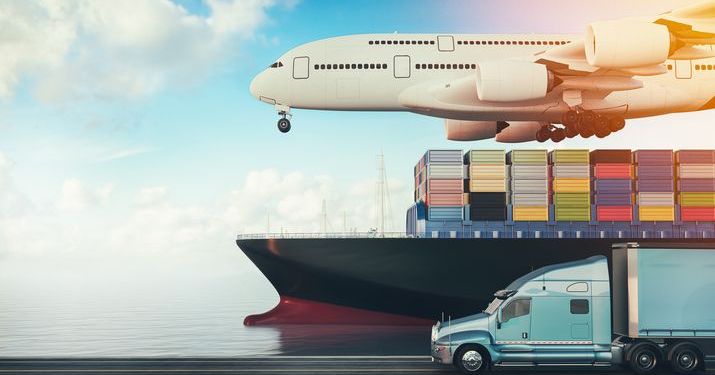 In supply-chain management, logistics is an important aspect to the managers, since it helps them understand how they can maximize profits while minimizing the cost of operation. Making profits is one of the main goals in business. Therefore, managers need to understand the correlation and differences in inbound and outbound logistics, so as to create an extremely functional supply-chain strategy to aid in running the business effectively.
Inbound Logistics
Inbound Logistics is the process in which raw materials is acquired from the suppliers and delivered to the business’ manufacturing plant. It’s also referred to as the value chain the first phase, in which the acquired supplies are stored and delivered for the manufacturing process in the plant. Additionally, in inbound logistics managers are required to track the inventory of the received goods, ensure it's well stored, and delivered to its rightful place (manufacturing plant).
Outbound Logistics
In supply-chain management, logistics is an important aspect to the managers, since it helps them understand how they can maximize profits while minimizing the cost of operation. Making profits is one of the main goals in business. Therefore, managers need to understand the correlation and differences in inbound and outbound logistics, so as to create an extremely functional supply-chain strategy to aid in running the business effectively.
Inbound Logistics
Inbound Logistics is the process in which raw materials is acquired from the suppliers and delivered to the business’ manufacturing plant. It’s also referred to as the value chain the first phase, in which the acquired supplies are stored and delivered for the manufacturing process in the plant. Additionally, in inbound logistics managers are required to track the inventory of the received goods, ensure it's well stored, and delivered to its rightful place (manufacturing plant).
Outbound Logistics
 Outbound logistics on the other hand, involves the collection of finished products, its storage, and the distribution of the finished products to the customers. The process in which the finished products flow from the manufacturer to the buyer is mostly focused on. Managers, therefore, are involved in identifying the distribution channels, and how the buyer will access the products.
Apart from the main difference observed in the two types of logistics, there are other factors that need to be considered when goods flow from the supplier to the plant and from the company to the customer such as the following.
Outbound logistics on the other hand, involves the collection of finished products, its storage, and the distribution of the finished products to the customers. The process in which the finished products flow from the manufacturer to the buyer is mostly focused on. Managers, therefore, are involved in identifying the distribution channels, and how the buyer will access the products.
Apart from the main difference observed in the two types of logistics, there are other factors that need to be considered when goods flow from the supplier to the plant and from the company to the customer such as the following.